
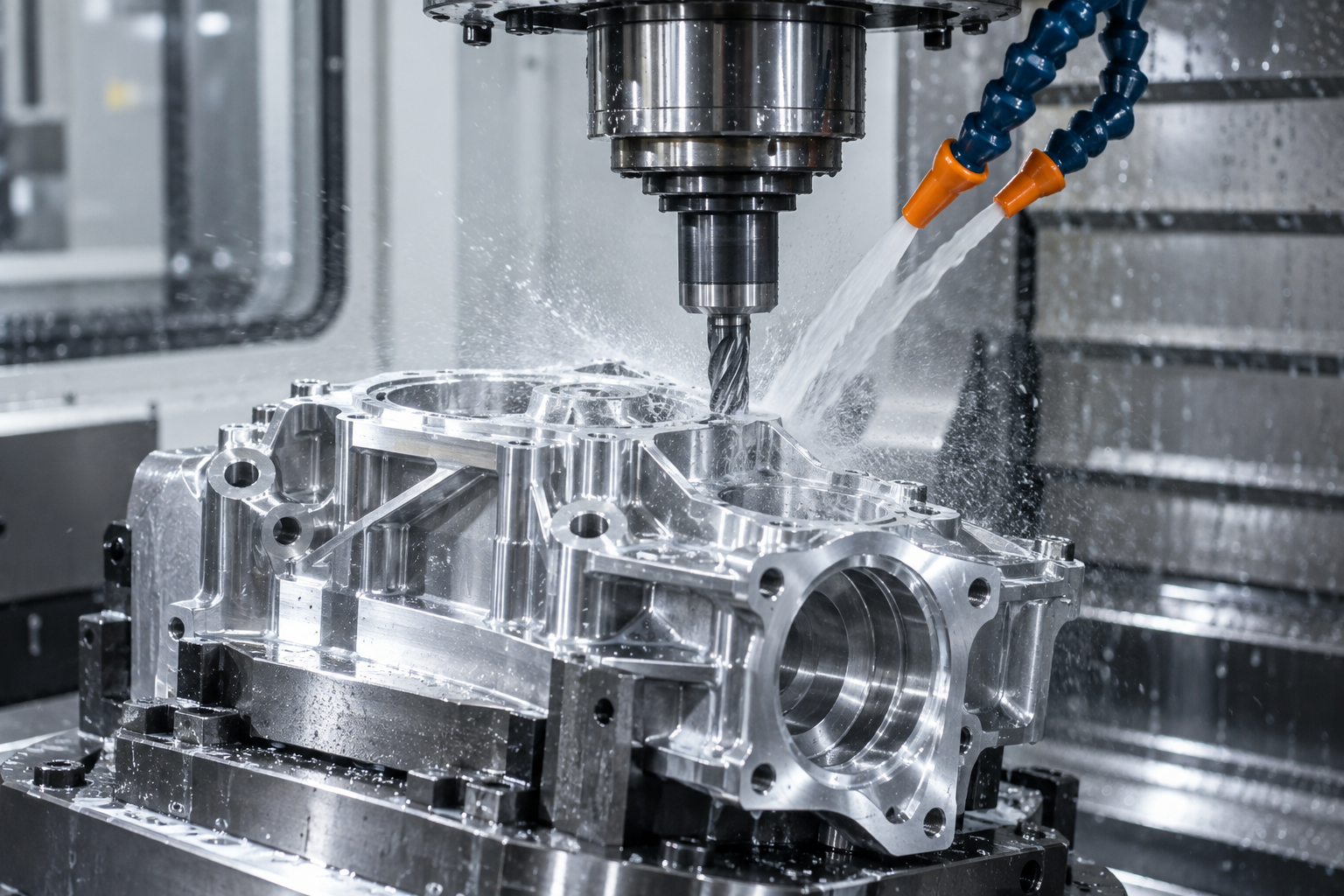
Illustrative stock photograph.
Reusable packaging is increasingly discussed as part of a more efficient automotive supply chain, but reuse alone does not guarantee a better result.
A container can make many trips while repeatedly allowing the same component to rub against an unprotected surface.
That shifts the discussion from transport convenience to the condition of the part arriving at the next workstation.
A useful packaging review therefore starts with the component's requirements and the route it will travel.
The number of reuse cycles is only one part of the decision.
Identify the features that need protection
Look at the surfaces and interfaces that matter to assembly or function.
A component may need protection against impact, abrasion, contamination or movement inside the container.
These requirements are not interchangeable, and a single cushioning material may not address every one of them.
Use the approved part requirements to identify where contact is acceptable and where it is not.
Do not infer a surface requirement from a photograph alone.
A packaging design becomes easier to evaluate when the protected features and intended contact points are explicitly identified.
Map the handling route
Record how the package is filled, stored, moved, opened and returned.
Include ordinary handovers rather than assuming the container travels directly from one clean workstation to another.
A design that works during road transport may still create damage when parts are removed with gloves at the assembly station.
Also consider whether the empty container follows the same return route every time.
Missing inserts and mixed containers can change the protection even when the outer box appears correct.
The review should cover the actual handling sequence rather than only the first shipment.

Illustrative stock photograph.
Make part identity easy to retain
A reusable container needs a clear method for removing or invalidating the previous shipment's identity.
Old labels should not compete with the current part number, revision or batch information.
Explain which identity belongs to the container and which belongs to its current contents.
Keep that distinction visible during storage and line-side replenishment.
If a tray can carry several variants, define how the intended arrangement is checked.
A digital record is helpful only when the physical package and the recorded contents can be matched reliably.
Treat cleanliness as an operating condition
Reusable packaging can collect residue, particles and moisture during its normal circulation.
Define how containers and inserts are inspected before reuse and when they should be cleaned or removed from service.
The procedure should follow the component's requirements and the site's approved methods.
Avoid introducing a cleaning product or handling method without checking compatibility with the material involved.
A visibly intact insert may still be unsuitable if it cannot maintain the required condition.
Keep the decision criteria practical enough for the people preparing the next shipment to apply consistently.

Illustrative stock photograph.
Test the wrong arrangements too
A trial should examine what happens if an insert is missing, a component is reversed or a different variant is placed in the tray.
The Lean Enterprise Institute's error-proofing examples provide useful context for designing around predictable selection mistakes.
A locating feature can help make the intended arrangement clearer, but it must be evaluated with realistic handling conditions.
Check whether wear changes that feature's usefulness over repeated circulation.
Record the limitations of the trial instead of treating a successful first shipment as permanent qualification.
The protective design and the reuse process need to be assessed together.
Review the system after it enters service
Collect observations from receiving teams and the people opening containers at the next operation.
Use photographs and specific descriptions to distinguish transport damage from damage introduced during unpacking.
Standardized work can help establish a consistent baseline for filling, checking and returning the packaging.
Then improve the method when repeated problems reveal a weakness.
Reusable packaging is most valuable when its operating routine is as clear as its physical design.
Protecting the right features, preserving identity and controlling the return condition creates a stronger foundation than simply replacing a disposable box with a durable one.


Write a comment ...