
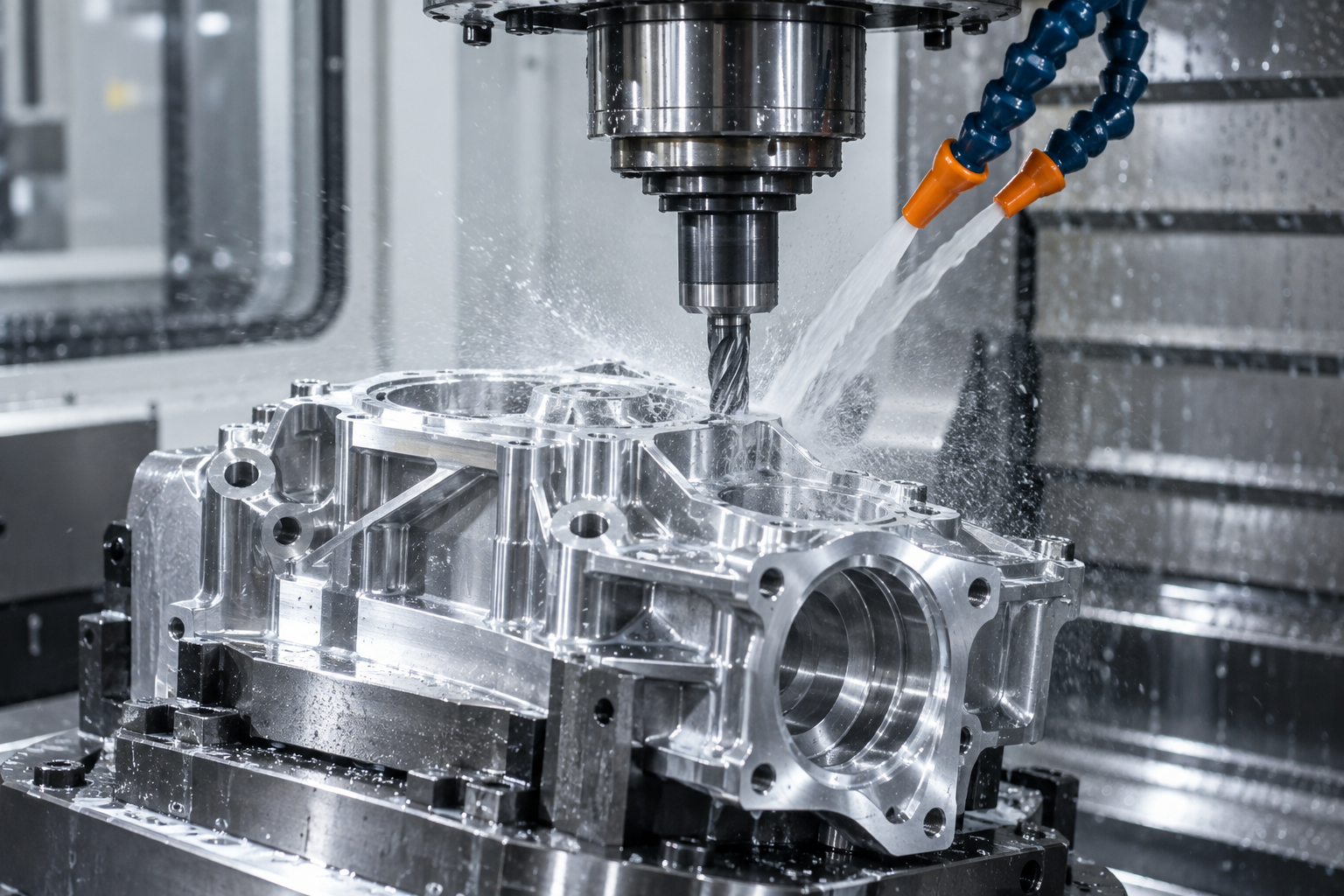
Illustrative stock photograph, not an Amarex facility.
A component can be dimensionally acceptable and still arrive at assembly in an unsuitable condition.
Residual debris, damaged protective wrapping or unclear handling instructions can undermine work that was carefully controlled during machining.
Cleanliness is therefore not simply the final action before a box is closed.
It is a requirement that needs to remain understandable as the part moves between operations and organisations.
The practical challenge is to define the required supplied condition without replacing application-specific engineering with a vague instruction to keep everything clean.
Define what the application requires
Different components have different sensitivities to contamination and handling.
A fluid passage, an electrical interface and an external mounting feature should not automatically receive identical acceptance criteria.
The responsible customer specification needs to establish the required condition and the way it will be assessed.
Do not invent a particle limit or cleaning method because another project used it successfully.
A good technical review identifies the relevant surfaces and makes any unanswered requirement visible.
This prevents the supplier and assembly team from working to different interpretations of an apparently simple word.
Review where contamination can enter
Walk through the approved process from machining to packing.
Consider transfers between operations, temporary storage, inspection handling and the containers used for finished material.
The useful question is where the required condition can be lost after it has been established.
A process map can reveal a handover that nobody regarded as part of the cleanliness responsibility.
Assign ownership at those points and describe the checks that belong there.
The aim is not to add endless inspection, but to prevent an uncontrolled transfer from undoing an earlier controlled operation.

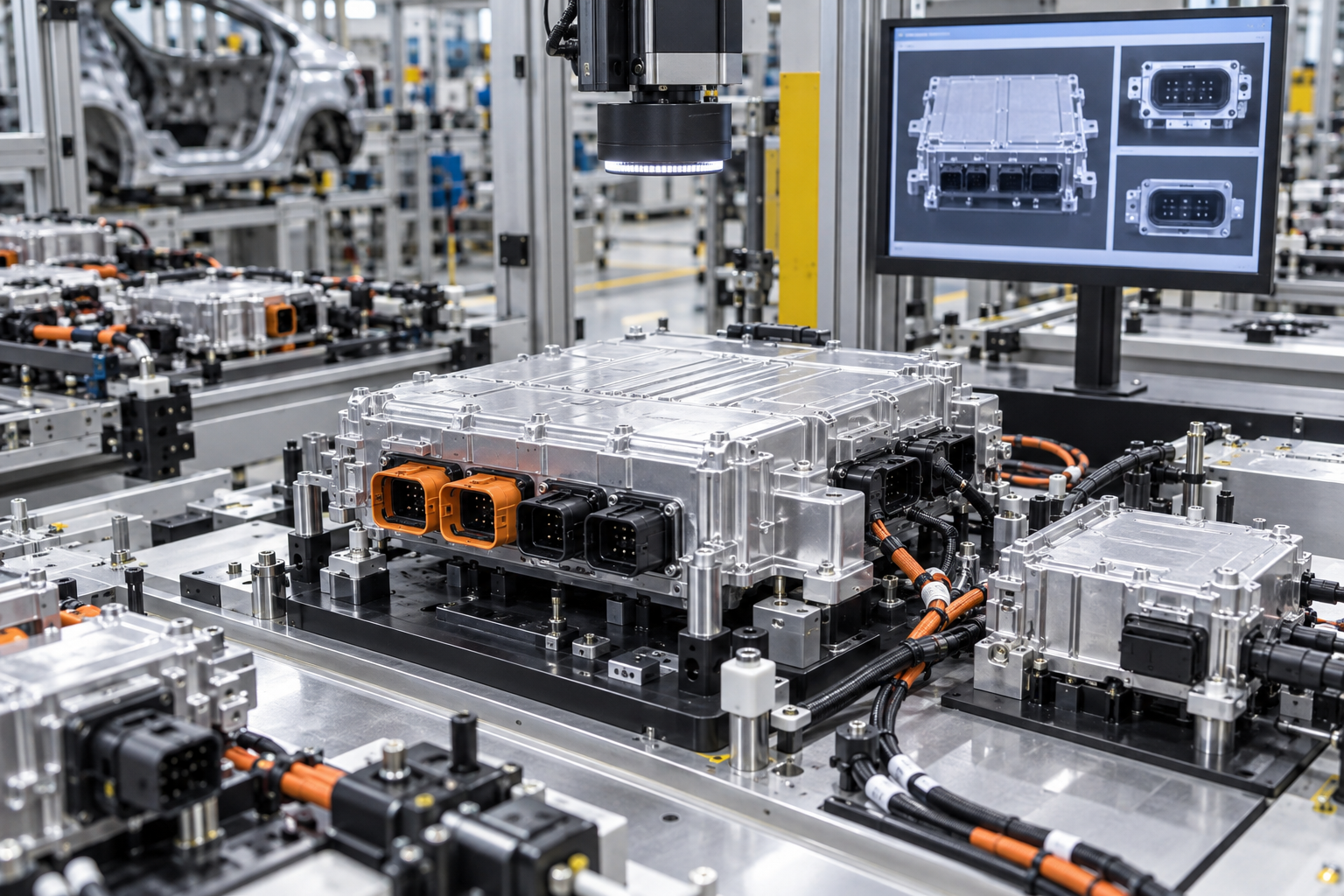
Illustrative engineering stock photograph.
Keep the product definition connected
Cleaning and protection requirements should travel with the same approved part revision used by production and inspection.
A new note added to a purchasing email can easily remain invisible to the people handling the parts.
NIST's digital-thread manufacturing work describes the importance of connecting engineering definitions with downstream manufacturing and quality information.
For a workshop, that may mean a controlled instruction referenced directly from the job documentation.
The instruction should identify its scope rather than appear to apply to every component in the factory.
When the requirement changes, review any material already in progress.
Discuss the supplied condition during sourcing
Buyers evaluating machined metal components for vehicle production should include relevant cleaning, handling and packaging requirements in the enquiry package.
A supplier capability resource helps begin that conversation but does not establish cleanliness approval for a particular assembly.
Clarify which verification documents are expected and whether a first-sample review must examine the packed condition.
If protective materials are specified, check that the requirement is clear for the surfaces they contact.
Packaging should protect the component without creating a different contamination or identification problem.

Illustrative engineering stock photograph.
Give operators a workable baseline
The approved handling method should be easy to find where the work takes place.
Explain preparation, container use and the response when protection is damaged or the condition is uncertain.
The Lean Enterprise Institute's explanation of standardized work offers useful context for documenting a repeatable baseline and improving it.
An instruction that depends on one employee's personal technique is difficult to maintain across shifts.
Review the method with the team and record any practical difficulty that encourages workarounds.
Do not allow an improvised cleaning action to replace an authorised technical decision.
Check the complete delivery experience
Review the first delivered parts as they are unpacked, not only as they appeared on the supplier's inspection bench.
Look at identification, protection and the condition of the relevant interfaces together.
If a problem appears, investigate the transfer and handling sequence rather than assuming the last person touching the part caused it.
Agree corrective action through the approved quality process and update the relevant instruction.
A successful handover preserves the required component condition until the next controlled operation begins.
That continuity is the real purpose of the cleanliness requirement.
Editorial disclosure: prepared by Amarex Marketing and including a relevant company resource.

Write a comment ...